
The chirping of birds in the morning, the budding flowers on the trees, and the influx of tax forms can only mean one thing: April is on its way. There are so many reasons to look forward to April—warm weather, blossoming gardens, and celebrations of our planet, including Earth Day and Arbor Day. But in addition to honoring nature, it’s important to celebrate people, too. April is recognized as Autism Acceptance Month, and this April 2 marks the next annual celebration of World Autism Awareness Day (launched in 2008). Join Stages Learning in celebrating and supporting our autistic friends and family members through these fun, meaningful activities:
1. Wear Blue. . . or Explore Other Colors, Too
Did you know that many landmarks around the world still light up blue to mark World Autism Awareness Day and show solidarity? From One World Trade Center in NYC to the Great Pyramids of Giza, the color blue has a long history of association with autism awareness. On April 2 (and throughout the month), you can join this tradition by wearing blue and tagging your photos with #LightItUpBlue. Learn more about observances around the world on the United Nations’ World Autism Awareness Day webpage.
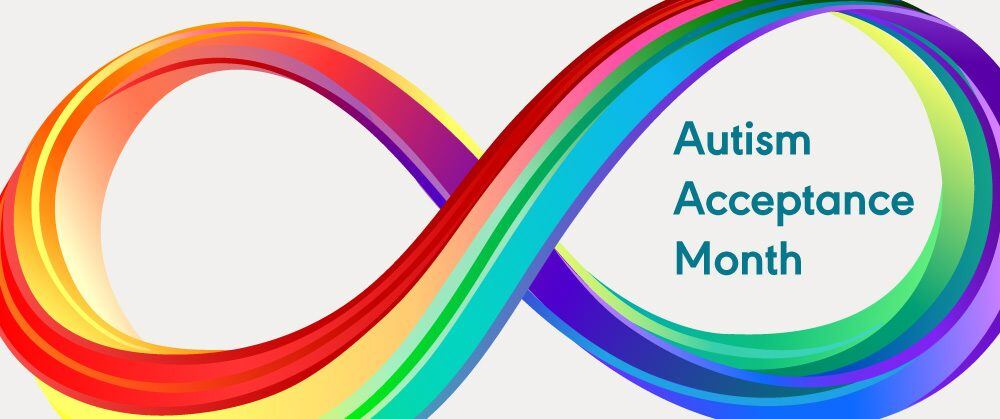
However, it’s also good to know that some autistic self-advocates prefer other symbols and colors (such as the rainbow infinity symbol or the color red, often used in #RedInstead campaigns) to emphasize diversity and acceptance. Feel free to explore these alternatives—or even create your own—to show support in a way that resonates with you and your community.
2. Adopt -- or Update -- Your Symbols
The traditional puzzle ribbon of the Autism Society is a widely recognized way of showing solidarity. It symbolizes the diversity of experiences within the autism community and the ongoing need for inclusion and support.
At the same time, you might see other symbols—like the gold or rainbow infinity sign—to represent infinite diversity and the full spectrum of neurological differences. Whichever symbol or ribbon you choose, wear it with pride during Autism Acceptance Month and beyond, as a reminder of hope and allyship.
3. Educate Yourself and Your Family
Education is a cornerstone of acceptance. Speak with friends and family, including your autistic loved ones, about what autism means to them. If your children go to school with autistic peers, brainstorm ways they can be inclusive and welcoming. For instance, they could invite autistic classmates to join a game at recess or make sure everyone has a partner during group activities.
Explain in age-appropriate ways that autism involves neurological differences that can affect how a person communicates, processes information, or interacts socially. Emphasize that everyone deserves compassion and genuine friendship—and that building bridges between people of all abilities enriches everyone’s lives.
4. Support Autistic-Led and Community Walks or Runs
Group walks, fun runs, and virtual 5Ks are popular ways to raise funds and awareness for autism organizations throughout April. You may find local events hosted by a variety of groups, from Autism Speaks to community centers and self-advocacy organizations. These events aren’t just for raising funds; they’re a fantastic way to connect with other families, build relationships, and promote healthy habits. Some communities also offer “Team Up” sports events or more challenging races if you want something beyond walking. You can find events in April and beyond in your community by checking hashtags like #AutismAcceptance, #AutismAcceptanceMonth, or #RedInstead on social media.
No matter the event, the ultimate goal is to highlight the strengths and needs of autistic people while building an inclusive, supportive environment.
5. Volunteer in Your Community
Transform awareness into action by volunteering. Schools often seek volunteers in inclusive and special education classrooms; after-school programs serving autistic children and teens often welcome extra help. Also remember that autistic adults may need mentors, job coaches, or social support—even more so if resources are scarce in your area. Meanwhile, advocacy organizations like the Autism Society and other nonprofits frequently need administrative volunteers to plan events, handle outreach, and help with fundraising. Every role counts, no matter how small it may seem.
6. Share or Amplify Personal Stories
Stories have the power to humanize, educate, and foster empathy. If you’re comfortable, consider sharing your experience of living with, teaching, or supporting an autistic person through a blog post, community forum, or organizational story bank. If your autistic child or teen would like to share their perspective, help them craft a narrative that reflects their authentic voice. Hearing from autistic individuals directly is one of the most impactful ways to encourage true acceptance and understanding in the broader community.
7. Donate to the Cause
Many local and national organizations do vital work advocating for autistic people, providing direct services, or funding research to improve understanding and support. Choose a group whose mission aligns with your values—some organizations focus on family supports, some on medical research, and others on self-advocacy or community services. Our own Stages Learning Foundation is one non-profit organization dedicated to championing the aspirations of adults with disabilities as they step boldly into the workforce. Every donation, no matter the size, helps sustain these efforts.
8. Gift a Gift
Everyone loves a thoughtful present! Stages Learning offers many products designed to support autistic children—like Language Builder Cards, social-emotional development tools, or tactile and sensory-friendly items (wiggle cushions, puzzles, etc.). Consider gifting an item that fosters communication, social skills development, or just plain fun. If you don’t have a specific recipient in mind, schools, libraries, after-school programs, and community centers are often grateful for donations that encourage inclusive play and learning.
Remember: Acceptance Lasts All Year While Autism Acceptance Month may be highlighted in April, the principles of inclusion, respect, and support for autistic people are needed year-round. We invite you to turn some of April’s energy into a monthly habit—whether that’s a standing volunteer commitment, a monthly donation, or simply ongoing education and advocacy.
No matter how small the act, each step moves us closer to a world where autistic individuals can flourish and lead independent, fulfilling lives. Thank you for your dedication to celebrating, accepting, and empowering those in the autism community.
Happy Autism Acceptance Month!


Comments
No comments yet — be the first to share your thoughts.